 Afghanistan
 Albania

Return to list
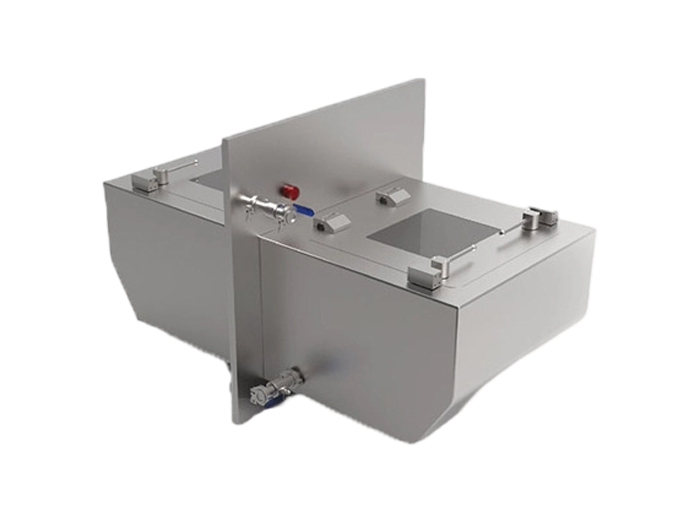
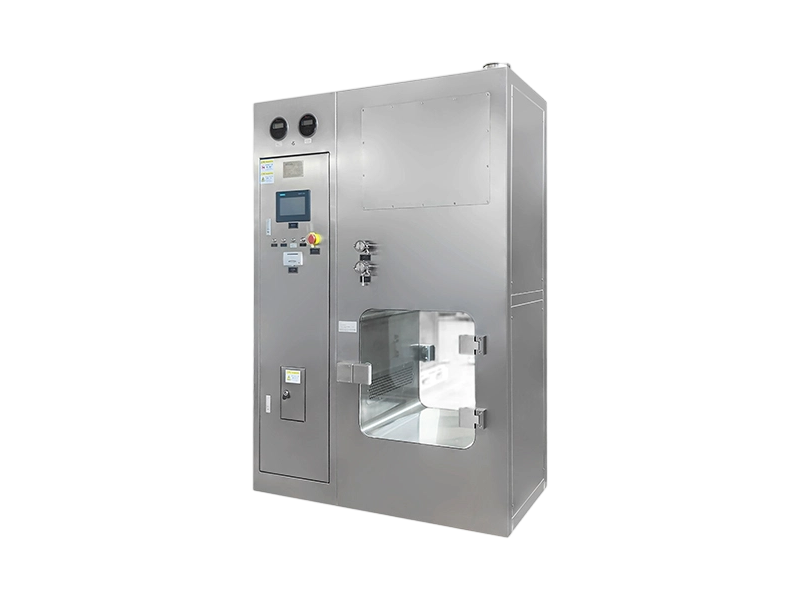
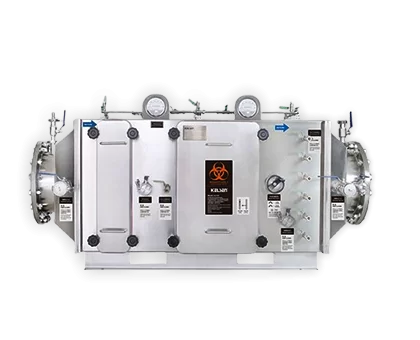
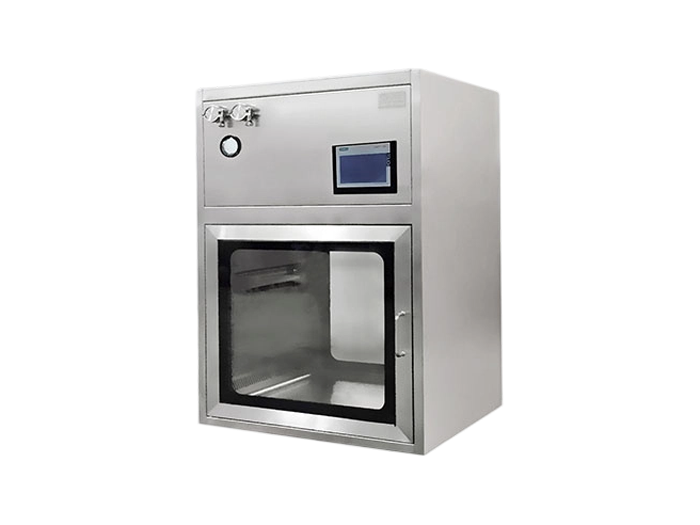
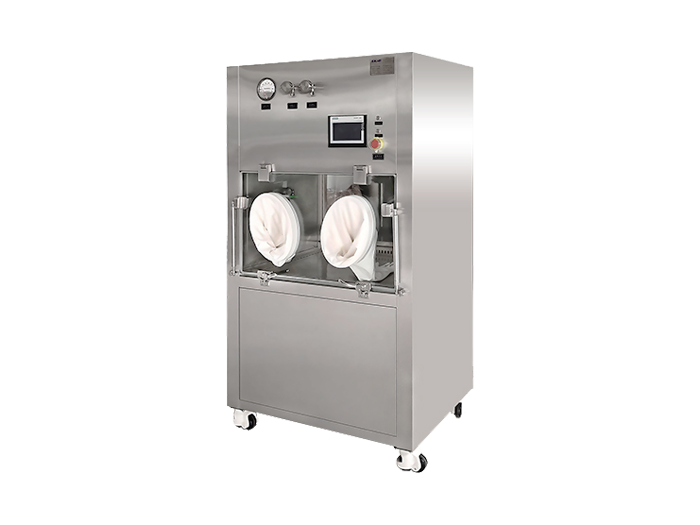
Dunk Tank Pass Box
The Dunk Tanks a liquid sterilization method, primarily used for transferring small items that are unsuitable for sterilization using high temperature, high pressure, or ultraviolet light, but are resistant to acids and alkalis. It is suitable for BSL3 and BSL4 isolation areas, meeting the requirements of high-level biosafety laboratories and cleanrooms.
- Series: KuDu
Introduction
The Dunk Tanks a liquid disinfection method, mainly used for passing small items that are not suitable for sterilization by high temperature, high pressure or ultraviolet light, but are resistant to acid and alkali.
Suitable for BSL3 and BSL4 isolation areas, meeting the requirements of high-level biosafety laboratories and cleanroom industries.
The aqueduct transfer window mainly consists of an immersion tank, a door cover, a control panel, an interlocking device, a built-in sterilization system, and a built-in drainage system.
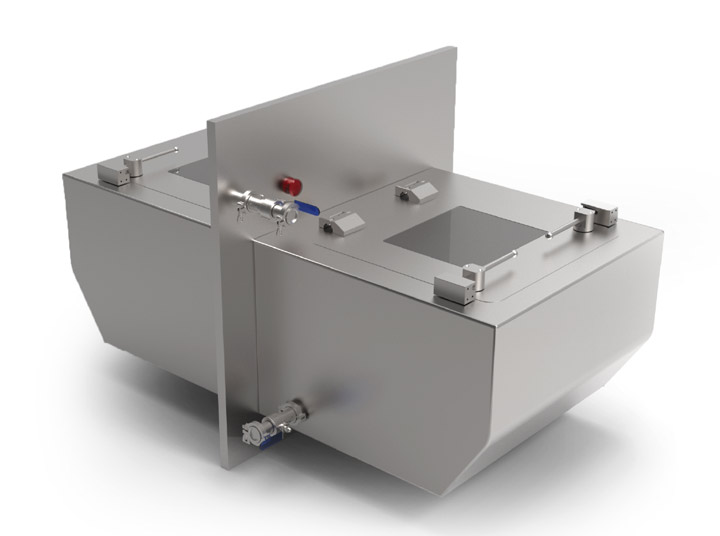
To use, open the door on one side of the aqueduct, pull up the grid panel, place small items inside, lower the grid panel to immerse the items in the liquid, and then close the door. After a period of sterilization, once the items have been cleaned and purified, open the door on the other side of the aqueduct and remove the items. It is generally recommended that items be soaked in the disinfectant solution in the aqueduct for at least 30 minutes before entering the clean area.
The aqueduct transfer window box must meet the airtightness requirements, with an hourly leakage rate of no more than 0.25% at a pressure of 1000Pa, and the equipment pressure-bearing capacity of no less than 2000Pa.
The enclosure is made of 304 stainless steel and can be used with a variety of disinfectants, such as phenols, glutaraldehyde, quaternary ammonium compounds, hydrogen peroxide, alcohol, protein iodine, and sodium hypochlorite.
The dual-sided visual mechanical compression airtight door and interlocking device form a sealing system to solve the airtightness problem of the logistics channel.
The disinfection time can be set using a PLC controller.
A visual touchscreen allows for monitoring of the liquid level in the tank.
Internal lighting facilities facilitate accurate operation.
Dual-sided emergency stop devices ensure safer operation.
Low liquid level alarm function.
The aqueduct's height is designed based on the available space to facilitate disinfectant discharge. An optional viewing window allows for communication between personnel on both sides.